

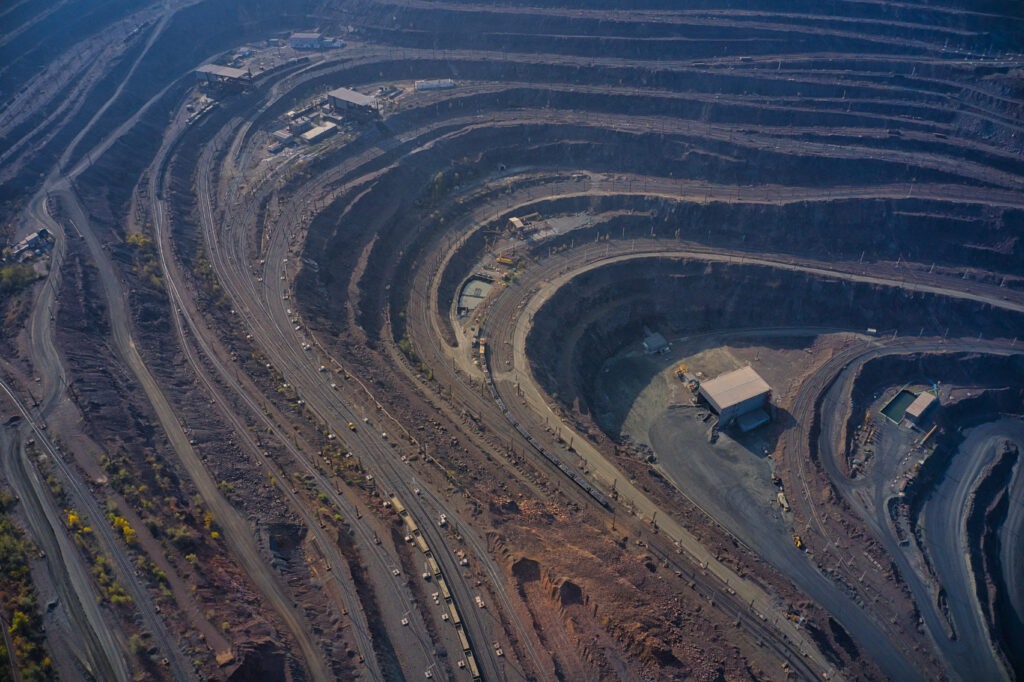
Mining plays a vital role in economic development, creating jobs, supporting industries, and providing essential resources that power modern society. However, responsible mining extends beyond resource extraction. It includes a commitment to restoring the environment and ensuring that land remains productive and sustainable long after mining activities have ended.
Mine rehabilitation is one of the most important aspects of responsible mining and environmental stewardship.
What is Mine Rehabilitation?
Mine rehabilitation is the process of restoring land that has been disturbed by mining activities. The objective is to return the site to a stable, safe, and environmentally sustainable condition that can support future land use.
Rehabilitation activities may include:
- Land reshaping and stabilization
- Topsoil replacement
- Vegetation restoration
- Erosion control
- Water management
- Waste containment
- Long-term environmental monitoring
Effective rehabilitation begins during the planning stages of a mining project and continues throughout the operational lifecycle until closure.
The Environmental Benefits of Rehabilitation
Mining operations can significantly alter landscapes, affect water systems, and impact local ecosystems if not managed responsibly.
Proper rehabilitation helps to:
Restore Natural Ecosystems
Re-establishing vegetation and natural habitats encourages biodiversity and supports the return of local wildlife.
Prevent Soil Erosion
Stabilized land surfaces reduce erosion risks and protect nearby watercourses from sedimentation.
Improve Water Quality
Rehabilitation measures help control runoff, manage drainage, and protect water resources from contamination.
Reduce Long-Term Environmental Risks
Well-executed rehabilitation minimizes future environmental liabilities and supports sustainable land management.
Meeting Regulatory Requirements
Environmental legislation requires mining companies to rehabilitate disturbed land and demonstrate ongoing environmental responsibility.
Failure to adequately rehabilitate mining sites can result in:
- Regulatory penalties
- Delayed mine closure approvals
- Increased financial liabilities
- Reputational damage
- Environmental degradation
Mining companies that proactively manage rehabilitation programmes are better positioned to maintain compliance and secure long-term operational success.
The Economic Value of Rehabilitation
Mine rehabilitation is often viewed purely as an environmental responsibility, but it also creates significant economic benefits.
These include:
Reduced Closure Costs
Progressive rehabilitation throughout the life of a mine can significantly reduce final closure costs.
Improved Community Relations
Communities are more likely to support mining operations that demonstrate genuine environmental responsibility.
Enhanced Investor Confidence
Investors increasingly prioritize Environmental, Social, and Governance (ESG) performance when evaluating mining companies.
Future Land Use Opportunities
Successfully rehabilitated land can be repurposed for agriculture, conservation, infrastructure development, or community projects.
The Importance of Rehabilitation Planning
Successful rehabilitation does not happen by accident. It requires careful planning, technical expertise, and ongoing monitoring.
Key considerations include:
- Site-specific environmental conditions
- Soil characteristics
- Vegetation requirements
- Water management systems
- Long-term sustainability objectives
- Regulatory compliance obligations
By integrating rehabilitation planning into overall project development, mining companies can reduce risks and achieve better environmental outcomes.
Building a Sustainable Mining Future
As environmental expectations continue to evolve, rehabilitation has become a cornerstone of responsible mining practices. Mining companies are increasingly expected to leave a positive legacy that extends beyond the life of a mine.
Through effective rehabilitation, the mining industry can contribute to environmental conservation, community development, and sustainable economic growth.
At KMJ Mining & Engineering, we understand the importance of balancing operational success with environmental responsibility. Our rehabilitation solutions are designed to help clients meet compliance requirements, reduce environmental impacts, and restore land for future generations.
Partner with KMJ Mining & Engineering
From rehabilitation planning and environmental compliance to engineering solutions and mining support services, KMJ Mining & Engineering provides integrated solutions that support sustainable mining practices across South Africa.
Building a Brighter Future, One Project at a Time.